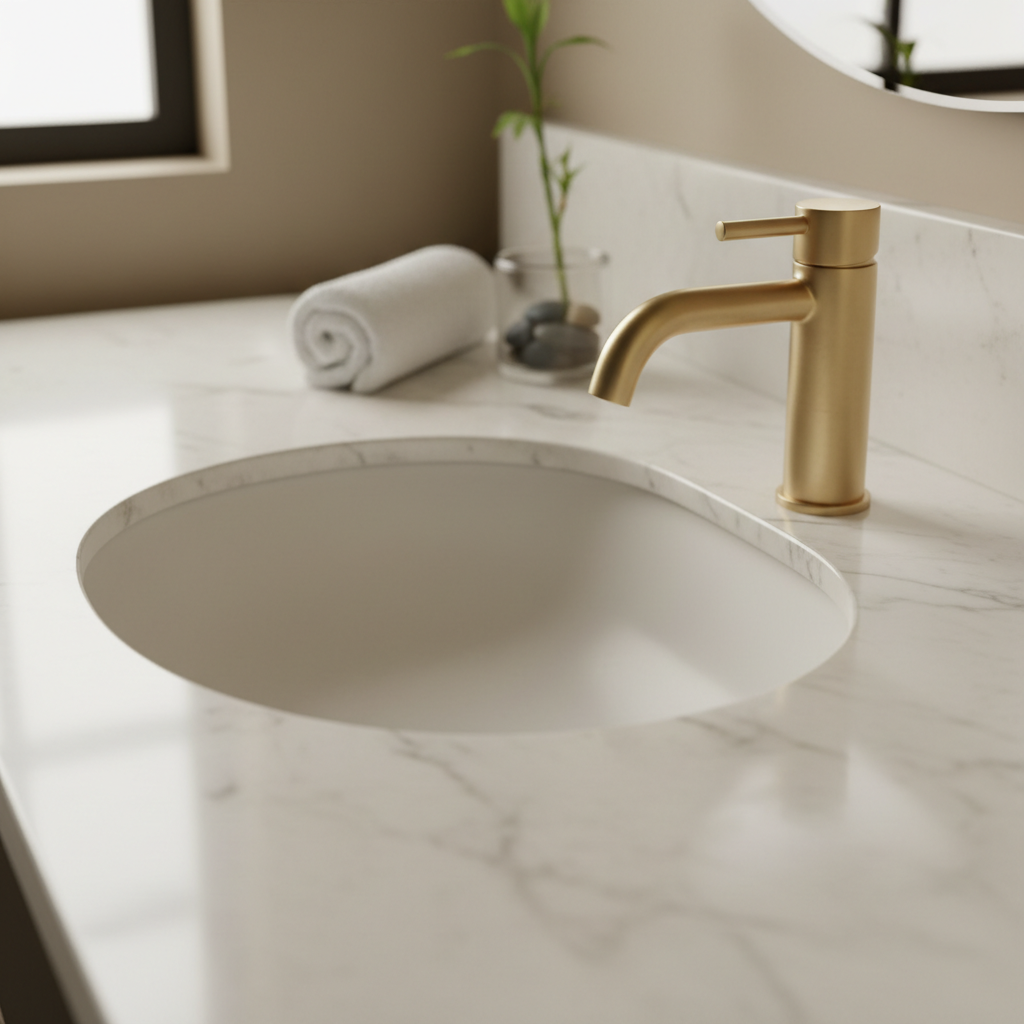
Effective hard water cleaning southwest Minnesota involves using white vinegar to dissolve mineral deposits and calcium buildup on household fixtures. For more stubborn stains, a paste made of baking soda and vinegar can break down mineral scales; this combination provides a safe, natural way to restore surfaces to their original shine.
Living in Southwest Minnesota means dealing with the persistent reality of heavy mineral deposits that turn your pristine faucets and glass shower doors into cloudy, chalky surfaces. These stubborn stains are more than just a cosmetic nuisance; they represent a chemical battle against the local geology that can eventually degrade your expensive fixtures and appliances. At Nothing But Roses Cleaning Service, we understand the unique challenges posed by our region's water supply. In this guide, we will explore the science behind effective mineral removal, including why white vinegar remains a powerful ally in your cleaning arsenal. You will also learn specialized techniques for revitalizing stainless steel, restoring clarity to ceramic tiles, and establishing a maintenance routine that prevents buildup. Whether you are tackling a routine weekend project or deciding if it is time for professional intervention, these expert tips will help you reclaim the shine in your home.
Understanding the Hard Water Challenge in Southwest Minnesota
In Southwest Minnesota, specifically throughout Renville County, homeowners and business managers often face a persistent battle against mineral buildup. This isn't just a minor annoyance; it is a direct result of our region's geological composition. Our groundwater is drawn from aquifers high in dissolved minerals, primarily calcium and magnesium. When this hard water is used in your home, the liquid evaporates, leaving these inorganic solids behind.
Understanding the difference between a temporary nuisance and a structural problem is key to effective hard water cleaning southwest Minnesota. A simple water spot is a light, translucent film that often wipes away with a dry cloth after a shower. However, when those minerals are allowed to accumulate, they crystallize into a stubborn, chalky white residue known as limescale. Unlike a standard spot, limescale chemically bonds to surfaces, creating a rough texture that traps soap scum and bacteria.
At Nothing But Roses Cleaning Service, we have spent fifteen years observing how these deposits affect different finishes. We see it on everything from glass shower surrounds to industrial kitchen fixtures. While many residents try to scrub these marks away, the abrasive nature of limescale means that improper techniques can actually scratch the underlying material. Recognizing that Renville’s water supply requires a more sophisticated approach is the first step toward maintaining your property. Our comprehensive range of services is designed to address these specific local challenges, ensuring that your fixtures remain functional and aesthetically pleasing despite the heavy mineral content of our local water.
The Science of Why White Vinegar for Cleaning Hard Water Stains Works
Does vinegar work on hard water buildup? The short answer is yes, but its effectiveness depends entirely on understanding the chemistry involved. At Nothing But Roses Cleaning Service, we utilize this basic scientific principle daily to tackle the stubborn residue left by our local aquifers. Distilled white vinegar typically contains about 5% acetic acid. When this acid meets the alkaline mineral deposits common in our region, it triggers a neutralization reaction. The acetic acid breaks down the chemical bonds of calcium carbonate and magnesium, transforming solid, crusty limescale into water-soluble acetate salts and carbon dioxide gas.
To create a practical maintenance solution at home, mix a 1:1 ratio of distilled white vinegar and water in a spray bottle. For standard surfaces like tile or laminate, this concentration provides sufficient acidity to lift light films without being overly aggressive. However, the most important component of the process is dwell time. You must allow the solution to sit on the mineral deposits for at least 15 minutes. This duration gives the acetic acid the necessary time to fully penetrate and soften the crystalline structure of the scales. Rinsing too early is a frequent error in hard water cleaning southwest Minnesota; if you wipe the solution away immediately, you are essentially just wetting the minerals rather than dissolving them.
Because the mineral content in Renville County is exceptionally high, a diluted mixture may occasionally fall short for heavy accumulations on plumbing fixtures. When dealing with crusty showerheads or kitchen faucets, we recommend using straight vinegar. Submerging a fixture in a bag of undiluted vinegar for several hours, or even overnight, is often the only way to clear internal clogs and restore water flow. This specialized deep cleaning approach ensures that the acid can work through thick layers of buildup that have hardened over months. If you notice that your DIY efforts are not yielding the desired clarity, you can always contact Nothing But Roses Cleaning Service for professional intervention.
Removing Hard Water Stains from Stainless Steel and Appliances
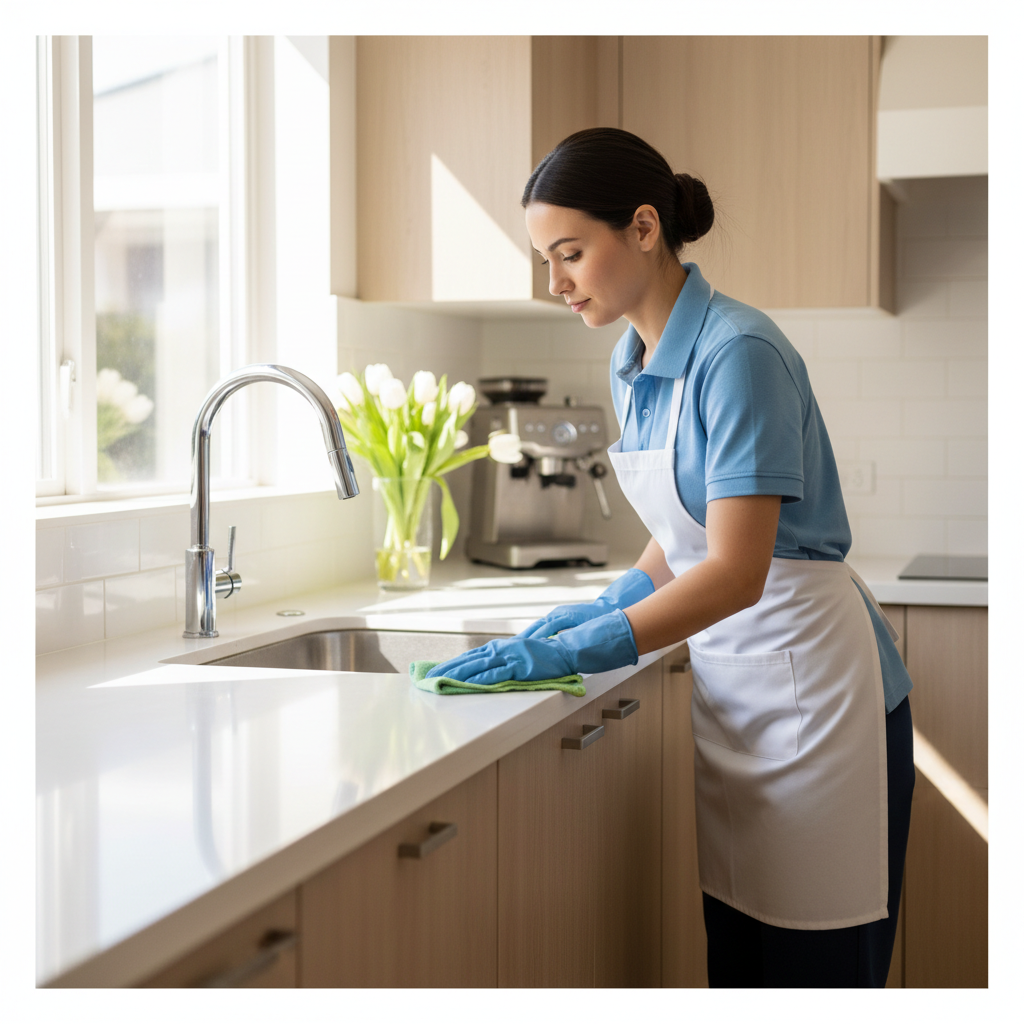
Applying these acidic solutions to modern appliances requires a more delicate touch than cleaning a solid brass faucet. In many Renville homes, the refrigerator water dispenser and the dishwasher door are the primary sites for unsightly streaks and mineral crust. Because stainless steel is a sensitive surface, you should avoid the heavy duty scrubbing pads often used for other types of hard water cleaning southwest Minnesota. Instead, use a soft microfiber cloth dampened with your 1:1 vinegar solution to gently wipe the affected areas.
Before you start, identify the grain of the metal. Just like wood, brushed stainless steel has a specific direction to its finish; you can see it as fine horizontal or vertical lines on the surface. Always wipe in the direction of these lines. Crossing the grain or using circular motions can trap mineral particles against the metal, leading to micro-scratches that permanently dull the factory finish. For the recessed areas of a water dispenser where minerals collect in the plastic or metal tray, allow a vinegar-soaked cloth to sit for ten minutes before wiping clean with a fresh, damp cloth.
To keep appliances looking pristine between visits from our comprehensive range of services, you can apply a simple protective barrier. Once the surface is dry and free of minerals, place one or two drops of olive oil or food-grade mineral oil on a clean cloth and buff it into the steel, again following the grain. This microscopic layer of oil helps repel water droplets before they can evaporate and leave new deposits behind. Never use steel wool or abrasive powders on these finishes, as they will strip away the protective coating and leave the metal vulnerable to rust and further staining.
Deep Cleaning Glass Shower Doors and Ceramic Tiles

The bathroom remains the front line in the battle against mineral deposits. Because ceramic tile and grout are porous, they require a more tactile approach than the smooth metal of a refrigerator. To tackle heavy buildup on these surfaces, we recommend creating a baking soda paste. Mixing baking soda with a small amount of water or vinegar creates a mild abrasive that lifts grime without eroding the glaze of the tile. Apply the paste directly to grout lines, let it sit for ten minutes, and use a stiff-bristled brush to agitate the minerals. This physical action, combined with the chemical reaction of the paste, is essential for effective hard water cleaning southwest Minnesota.
Glass shower doors require a different philosophy. Unlike tile, glass can easily develop micro-scratches if you use abrasive pastes or stiff brushes. For these surfaces, the soaking method is superior. Saturate paper towels with undiluted white vinegar and press them against the glass. The surface tension will keep the towels in place, allowing the acid to work on the limescale for thirty minutes. This technique is a staple in our specialized deep cleaning protocol because it preserves the clarity of the glass while dissolving the hardest crusts.
Homeowners in Renville often notice a peculiar challenge: orange or rust-colored tinting mixed with white scales. This indicates a high iron content in the local water supply, which is a common geological trait in our county. Acetic acid alone often struggles with iron oxidation; in these cases, we switch to citric acid or specialized iron-out solutions. These targeted treatments break the bond between the iron particles and your ceramic fixtures, preventing that dingy, yellowed appearance. At Nothing But Roses Cleaning Service, our fifteen years of local experience help us identify exactly which mineral is causing the discoloration. This expertise allows us to choose the correct solvent from our comprehensive range of services, ensuring your bathroom surfaces are truly restored rather than just superficially wiped.
Proactive Maintenance to Prevent Mineral Buildup
Once you have successfully restored your surfaces, the goal is to extend the time between intensive scrubbings. Prevention is far more efficient than restoration. In the high mineral environment of Renville County, the simplest and most effective tool at your disposal is a high quality squeegee. Using a squeegee on glass shower doors and tiled walls after every use removes the standing water before it has the opportunity to evaporate and leave behind calcium deposits. This thirty second habit drastically reduces the frequency required for labor intensive hard water cleaning southwest Minnesota.
Similarly, keep a clean microfiber cloth near your sinks to wipe down chrome or brushed nickel fixtures immediately after use. This prevents the characteristic white ring from forming at the base of the faucet. While many homes in our area utilize water softeners to mitigate mineral content, these systems are not a total solution. Softeners exchange calcium and magnesium for sodium ions, which can still leave a light film if water is allowed to pool and dry on a surface. Regular salt replenishment and system maintenance are vital; however, manual drying remains the gold standard for a pristine finish. Consistent daily attention, paired with our comprehensive range of services, ensures that your home’s investment is protected from the corrosive effects of local groundwater.
When DIY Isn't Enough: Hiring a Professional Cleaning Service in Renville
Even with consistent maintenance, there comes a point where home remedies like vinegar and baking soda no longer suffice. This tipping point often occurs when calcium deposits have been ignored for too long, allowing the minerals to physically etch into the surface of glass or porcelain. At this stage, the surface feels rough to the touch even after cleaning, as the minerals have created microscopic pits in the material itself. When you find that heavy scrubbing yields no improvement, or when buildup has reached the interior channels of multi-spray shower systems and jet tubs, it is time to seek professional hard water cleaning southwest Minnesota.
Nothing But Roses Cleaning Service brings fifteen years of professional experience to these challenging scenarios. We utilize industrial grade, surface safe solvents that are more potent than household vinegar but carefully balanced to protect your plumbing and finishes. Our specialized deep cleaning protocols target these mineral zones specifically, using techniques that dissolve calcification in areas that are physically inaccessible to most homeowners. By choosing a professional provider, you ensure that the correct pH-balanced agents are applied to specific materials, preventing the accidental damage that can occur with over-the-counter chemicals. Our comprehensive range of services is designed to restore clarity to glass and luster to metal, saving you the significant cost of replacing fixtures that appear permanently damaged. If your surfaces have reached a level of buildup that feels insurmountable, you can contact Nothing But Roses Cleaning Service to evaluate your home's needs.